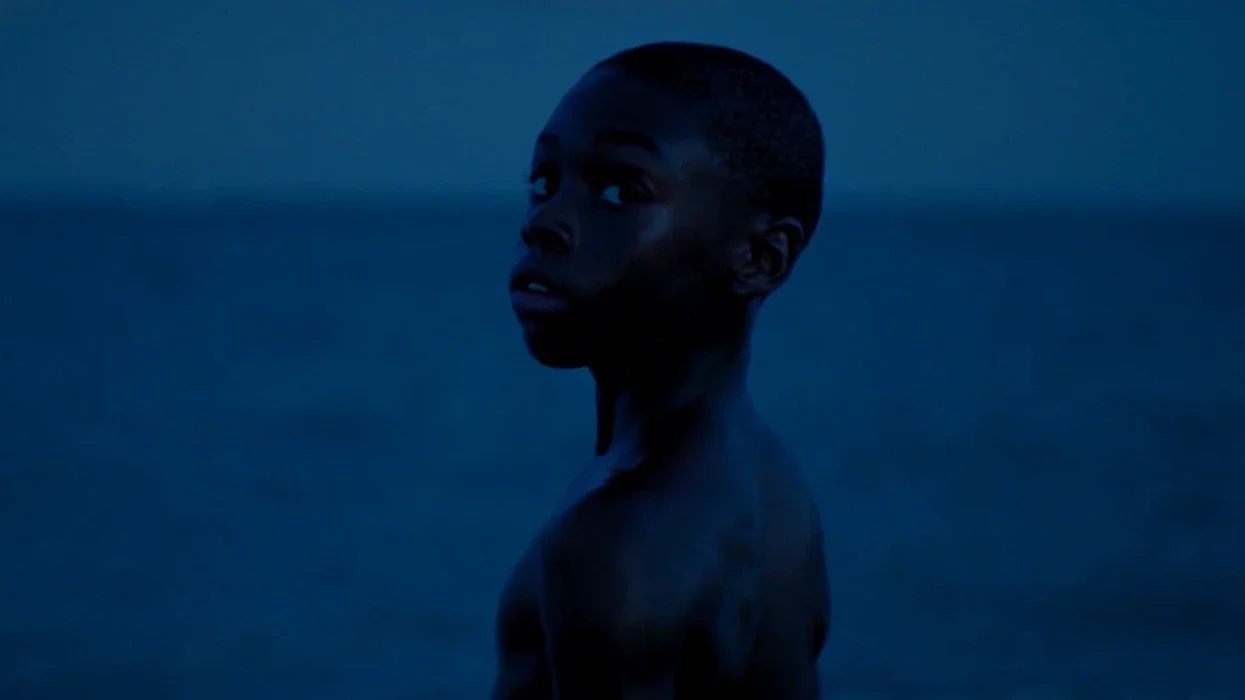
Did you Forget Black Boys Look Blue in Moonlight, 10 Years Later?
There is something deeply intimate and quite unsettling about returning to a film that has outlived entire versions of yourself, which is exactly what I found myself doing this past weekend when I went to the theater with a group of friends to celebrate the 10th anniversary of Moonlight, one of the greatest films of the 21st century. Any opportunity I get to talk about Moonlight, I seize the moment, to the point my friends know how much certain films mean to me. It’s kinda my love language to ask, “hey you wanna come to the local cinema with me, and pregame at the theater bar,” because I hate company. For me, getting the opportunity to see Moonlight in theaters felt like a once in a lifetime opportunity to get to see a film that changed history, and in my opinion introduced a lot of people to A24 (before they went lame).
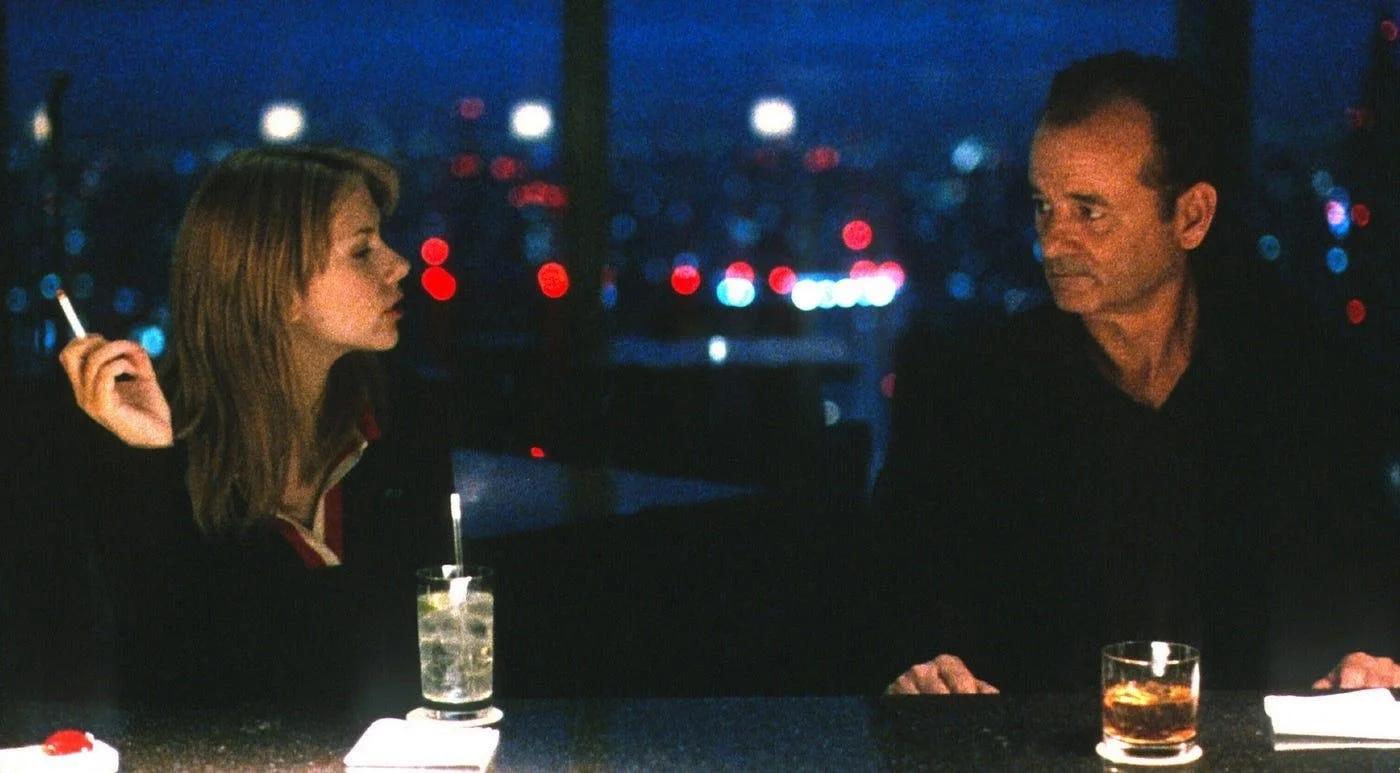
What Popping My P*ssy for a Man Sixteen Years Older Taught Me About Intimacy, Agency, and Lost in Translation
In 2025, I found myself entangled with men pushing forty (some older), from an impulse that at twenty-two, I mistook for a developmental inclination that registered as agentive. The city I once knew began to feel foreign, and I moved through it like Charlotte in Sofia Coppola’s 2003 film, Lost in Translation; caught between the yearning for connection and the subtle, constant reminder that what I craved wasn’t a world of older men. My encounters with older men revealed that intimacy and desire aren’t always enacted through pursuit or possession, but can emerge in restraint, attentiveness, and mutual recognition; a dynamic illuminated through parallels within the film, respectively. Looking back, I was a naive girl getting “tricked out the pussy,” with no idea what I was getting myself into or the limitations these types of men carried from the bar scene.
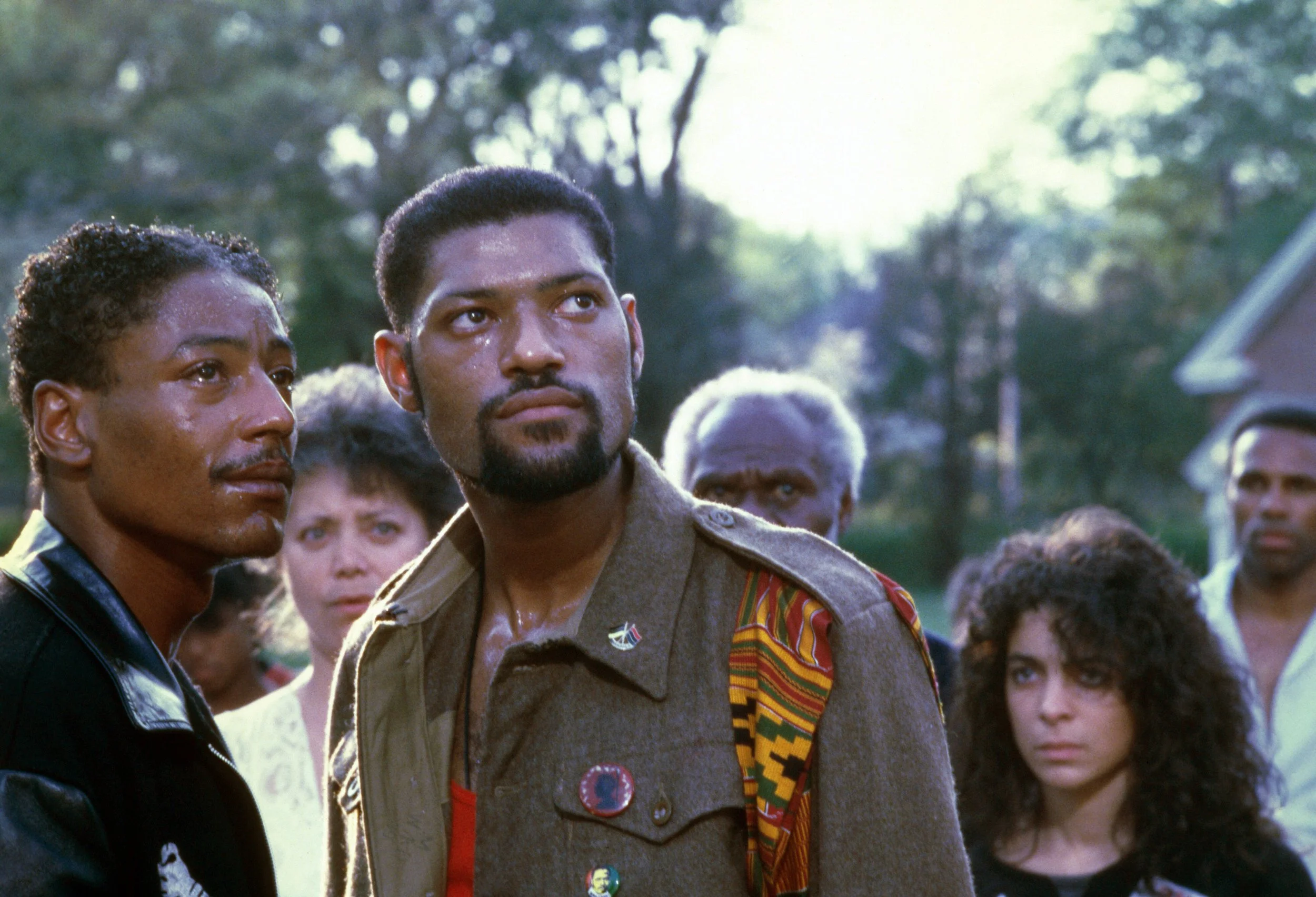
School Daze and Dap’s Warning: What We Miss When We Stay Comfortable
My mom was the first person to put me on Spike Lee’s School Daze (1988). She was a student at Spelman College when Spike Lee was holding open auditions. She told me how she stood in line that felt endless before stepping out, convinced she wouldn’t get picked. Years later, she admitted it was one of her biggest regrets. “Spike didn’t pick the trendy girls,” she once said, “he picked the real ones: everyday women, BLACK skin, natural hair.” That always stuck with me. I remember watching the film at a young age, but the topics of elitism, colorism, and misogyny went right over my head as I hadn’t yet experienced enough to grasp such nuanced understanding of intraracial relationships. I just knew how uncomfortable I felt when Julian asked Jane to sleep with Half-Pint to “prove her love” and how Half-Pint’s excitement to tell Dap later ignited that unforgettable “Wake Up!” moment.
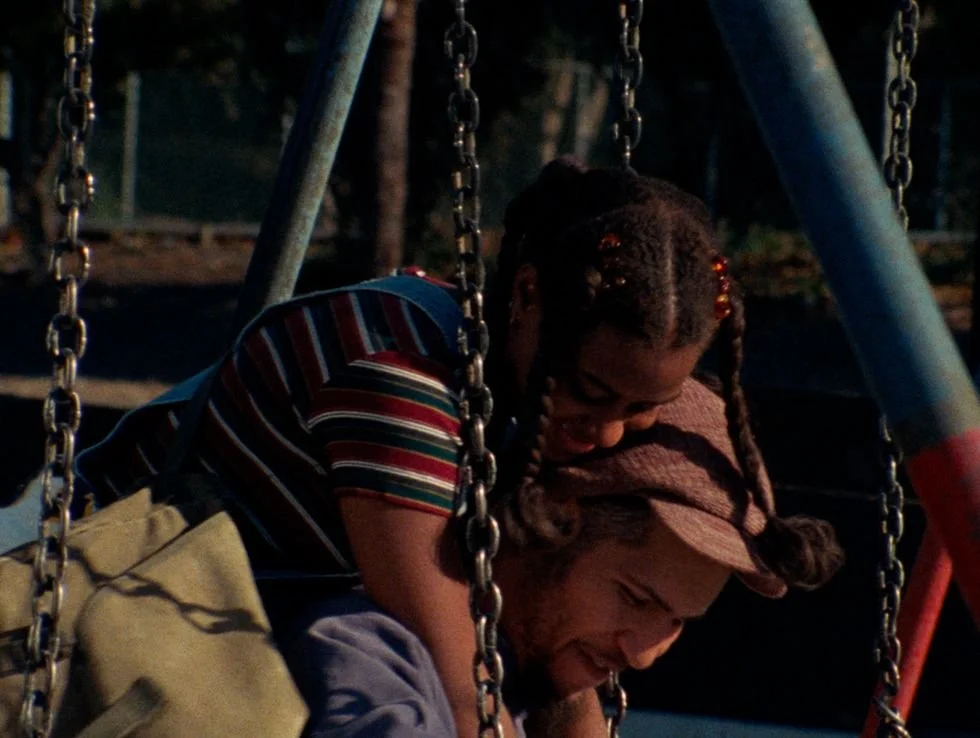
Preserving the Invisible: Pica’s Fight for Black Lives
I’ve never seen an independent Black film quite like Cauleen Smith’s Drylongso (1998). The Criterion restoration in 2022 finally gave it the audience it deserved, but for me, the film felt like it was speaking directly to a particular kind of listener, the ones who recognize the small, private language of grief and survival that everyone is uncomfortable to talk about, let alone based a film around. The word drylongso, a Gullah word (derived from the American American Vernacular English aka AAVE), holds a double meaning: ordinary; and worn-out, beat down by hard times. That double meaning is the film’s fiber especially centering around black womanhood in a coming of age drama. It’s everything I know about being an (un)ordinary awkward black girl and being a tired one, all at once.