
The Killing of a Chinese Bookie (1976): A Film Review
“Everybody has a dream. What’s yours?”
John Cassavetes’ The Killing of a Chinese Bookie (1976) follows Cosmo Vitelli, the owner of a small Los Angeles strip club whose gambling addiction leaves him indebted to loan sharks who force him to assassinate a Chinese bookie. What initially appears to be a conventional crime thriller becomes an intimate examination of masculinity, performance, ego, and the desperate desire to maintain control. Cassavetes rejects the polished structure of traditional gangster cinema, creating a film that feels less concerned with the murder itself than with the man forced to commit it. Cosmo’s nightclub becomes an extension of his identity, a place where he can construct himself as sophisticated, generous, and powerful while concealing the insecurity underneath. As his circumstances unravel, Cassavetes explores what happens when a man’s sense of self depends upon performing an image that reality can no longer sustain.
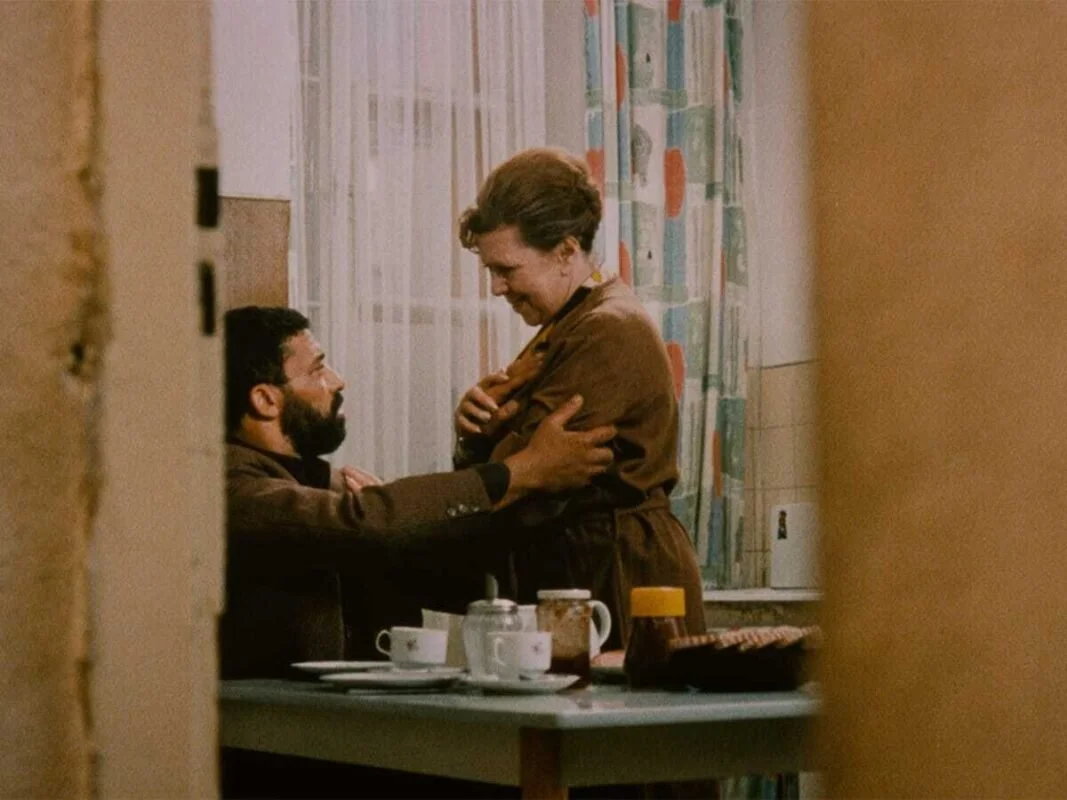
Ali: Fear Eats the Soul (1974): A Film Review
“Fear eats the soul.”
Before there was Wong Kar-wai, there was Rainer Werner Fassbinder, crafting stories of longing and unattainable love while transforming production design into a visual language of emotion. Fassbinder’s Ali: Fear Eats the Soul (1974) creates a devastating melodrama about love, racism, age, class, and the social consequences of being perceived as an outsider. Following Emmi Kurowski, an older German cleaning woman, and Ali, a much younger Moroccan migrant worker, Fassbinder constructs an unlikely romance that becomes increasingly threatened by the prejudices of the people surrounding them. Inspired in part by Douglas Sirk’s All That Heaven Allows, Fassbinder transforms the conventional forbidden romance into a story about postwar West Germany and the ways racism, xenophobia, and social conformity determine who is allowed to love openly. Rather than presenting their relationship as inherently tragic because of their differences, Fassbinder makes the society surrounding them the source of their isolation, showing how fear can enter even the most intimate relationships and eventually consume the people experiencing it.
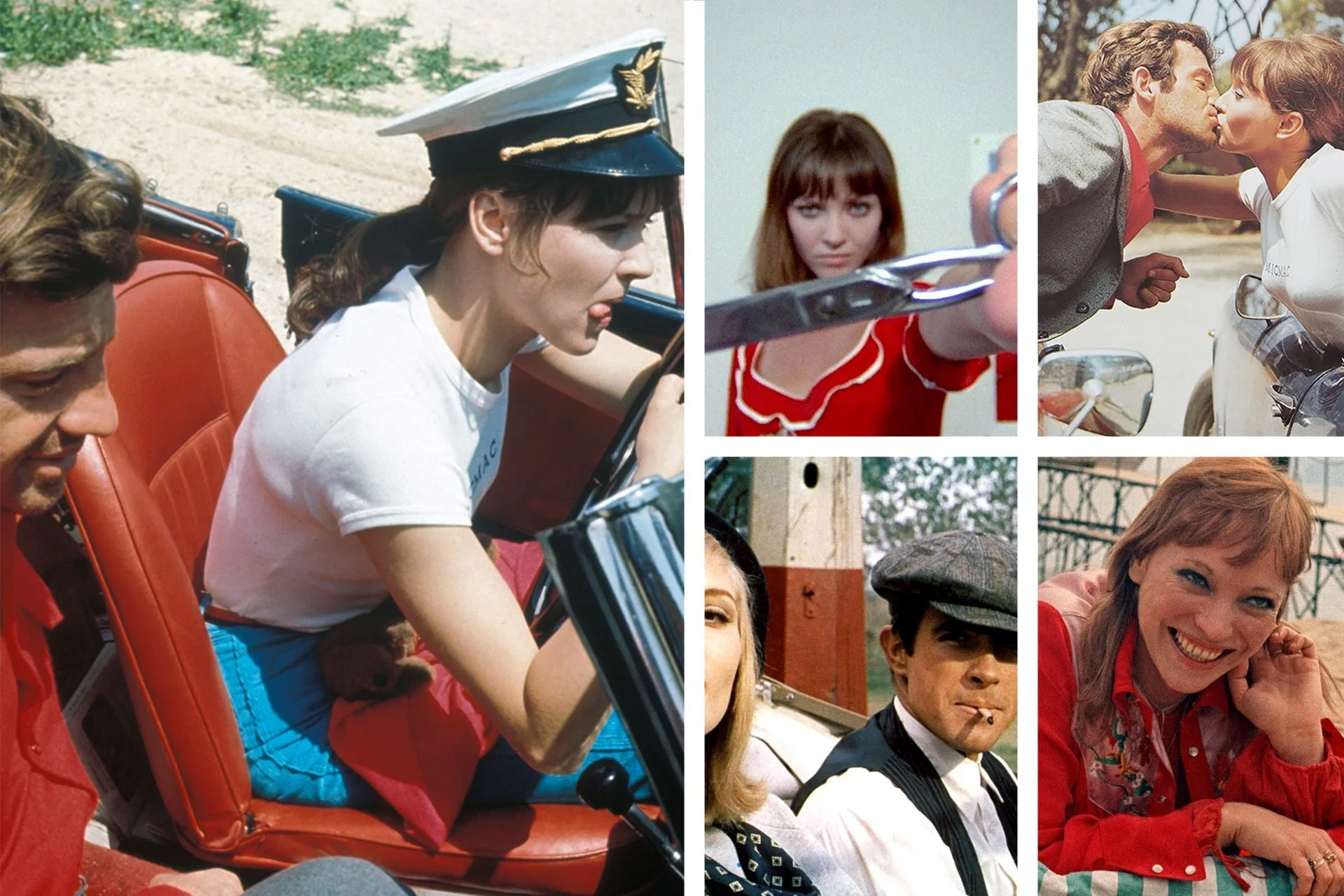
5 French New Wave Directors You Need to Know
There is something so alluring about filmmakers who refuse to play by the rules. This is part of what draws me to the French New Wave, a movement that challenged the conventions of French cinema in the late 1950s and 1960s, encouraging filmmakers to experiment with editing, narrative, and the relationship between cinema and real life.
The French New Wave, or La Nouvelle Vague, was a film movement that emerged in France during the late 1950s and 1960s, challenging the conventions of traditional filmmaking. A lot of these directors started as film critics, particularly writing for ‘Cahiers du Cinéma’, where they questioned why cinema had to follow the same storytelling rules, rely on expensive studio productions, or prioritize polished screenplays over a director’s personal vision. They wanted filmmaking to feel more personal, experimental, and reflective of the world around them. This meant shooting on location, using handheld cameras, experimenting with jump cuts, and telling stories that didn’t always follow a straightforward narrative.
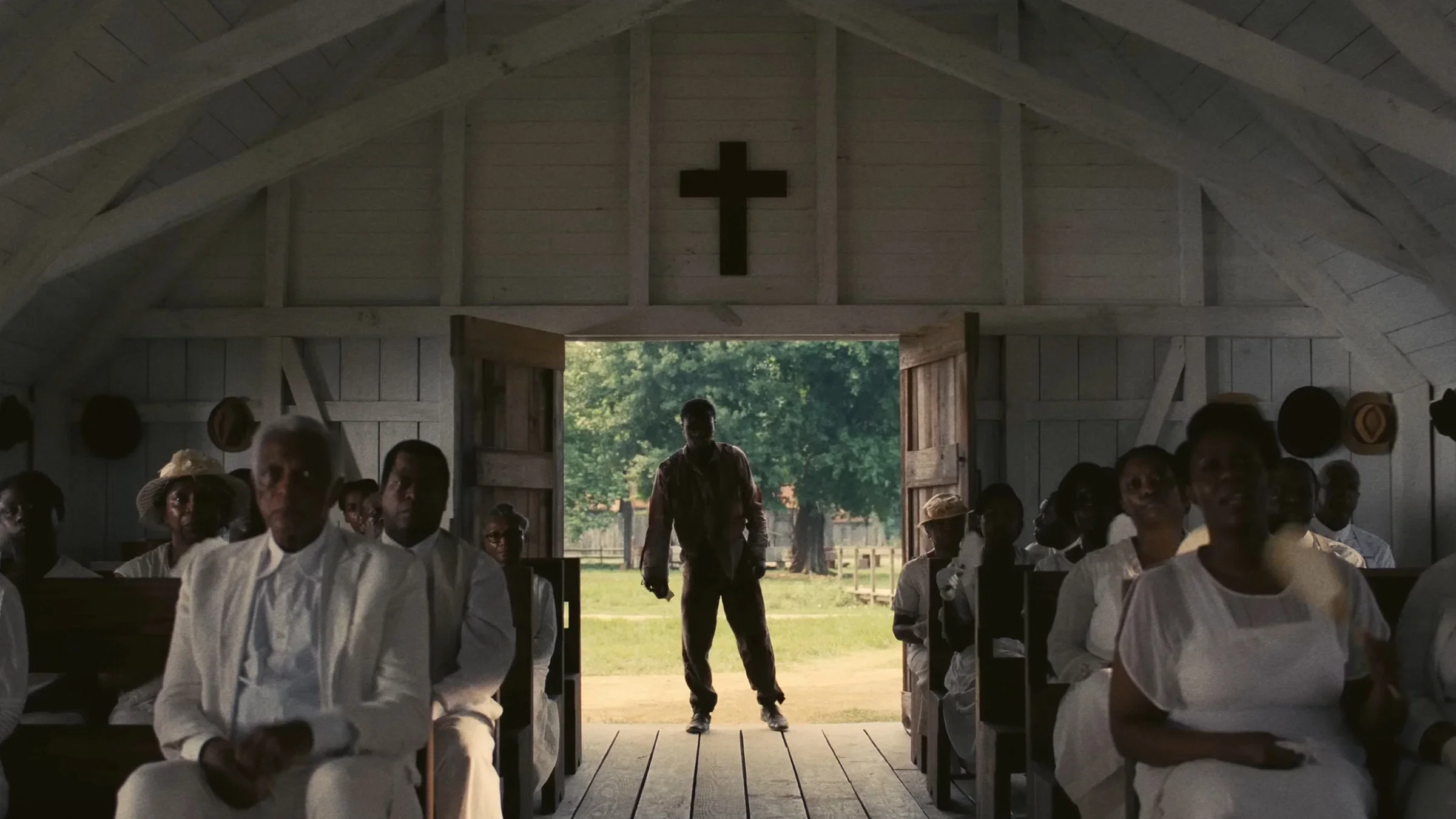
Southern GothicS on Screen: 5 Must-Watch Films on Sin, Secrets, and Survival
Watching Sinners sent me spiraling into a full-on Southern Gothic revival. I started revisiting films and books that explore that same haunted, beautiful tension — stories rooted in the South’s ghosts, both literal and historical. So much of my creative lens is Afrocentric, and this genre hits a nerve because it doesn’t romanticize the South; it interrogates it, challenging American history in its wake.
Southern Gothic, at its core, is about stripping away the myth of “The Good Ole’ South.” It’s about confronting the ugliness that hides behind charm and hospitality: the sin under the Sunday best. It’s a space where faith, violence, race, and class all crash into each other, often in the most poetic, unsettling ways.
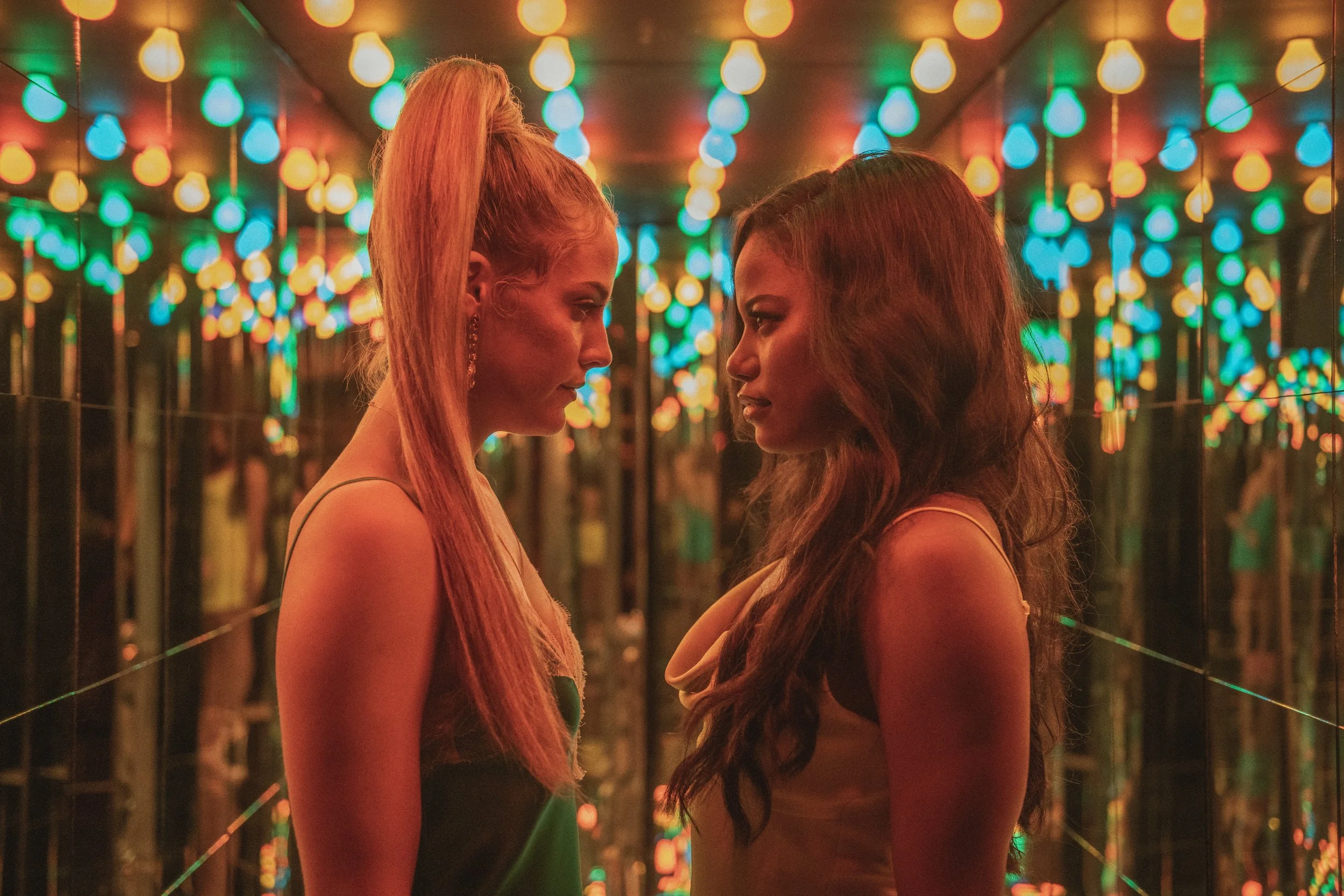
Zola (2020): A Film Review
“Y’all wanna hear a story about why me and this bitch here fell out? It’s kinda long, but it’s full of suspense,”
Janicza Bravo’s Zola (2020) adapts from Aziah “Zola” King’s viral 2015 Twitter thread, creating a frenetic yet darkly comedic cinematic experience. From the opening scene, with its fluorescent light, gritty Kodak 16mm aesthetic, and Zola intentional choice of breaking the fourth wall narrative, allows for the film to immerse viewers in a chaotic world of risk, sex work, autonomy and what it means to navigate such a dark world of Southern politics and the sex industry. In under ninety minutes, Zola recounts her travels with a new acquaintance, Stefani, to Tampa, Florida expecting a glamorous out-of-town strip-club adventure.

The Odyssey (2026): A FILm Review
Christopher Nolan’s The Odyssey is a phenomenal cinematic experience, and honestly, I expect nothing less from him at this point. With an extraordinary ensemble cast and an epic that stretches across war, mythology, and the human condition, Nolan delivers a film that feels both intimate and monumental. However, what stayed with me most was not the spectacle of the journey itself, but the emotional consequences of the war that made it necessary. Beneath the monsters, gods, and battles is a story about rage, guilt, and the cost of a man’s ambition. For all its grandeur, The Odyssey ultimately asks a surprisingly personal question: What does it cost a man to become a legend, and is the price worth paying?
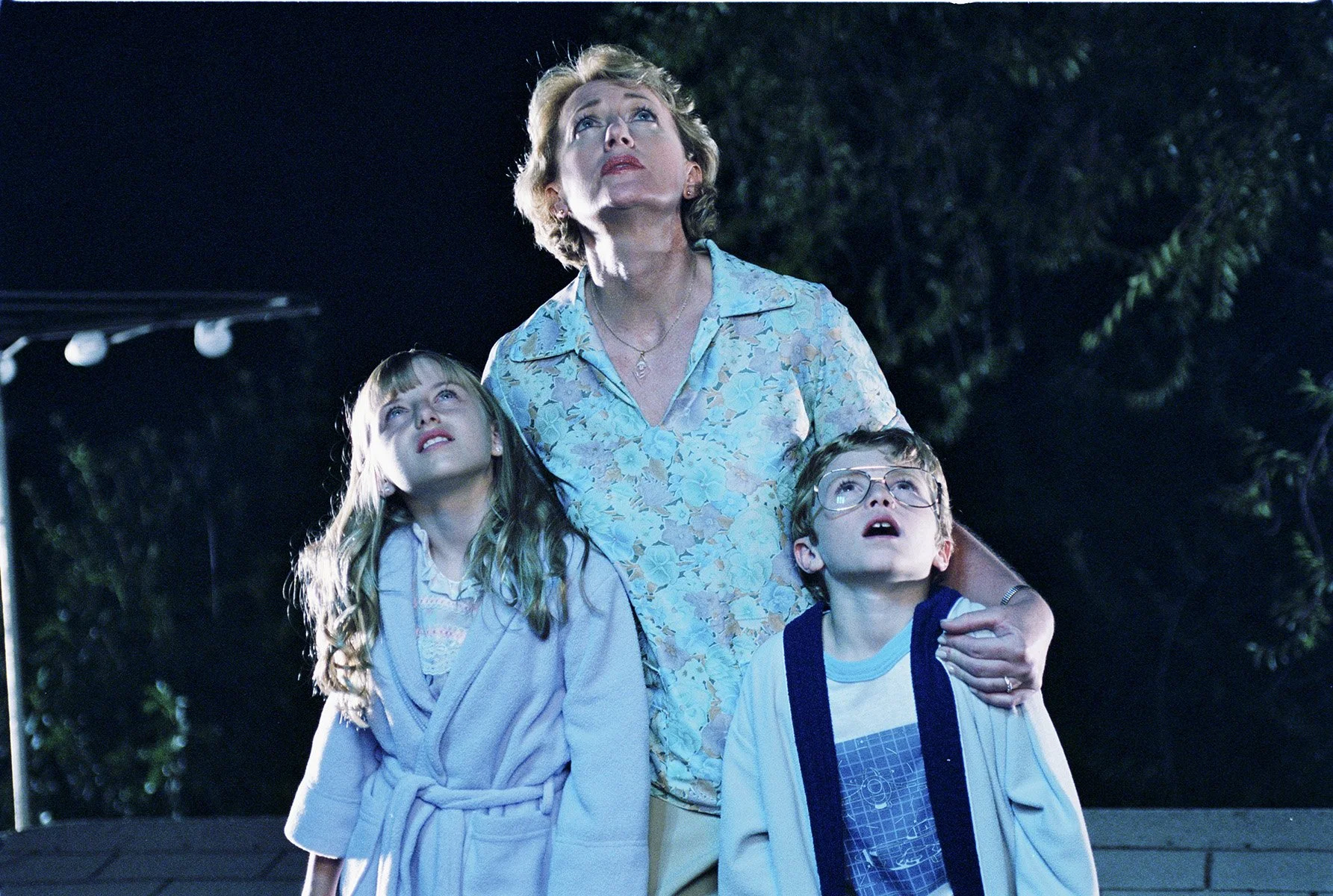
Youth on the Edge: Five films on Rebellion & Survival
Youth on Edge is a collection of films that explore the messier side of growing up, from teenage alienation and youthful rebellion to the uncomfortable realities of finding your place in the world. These aren’t necessarily stories about having everything figured out. They’re about the growing pains, the questionable decisions, and the moments that make you look back at your younger self and think, what the hell was I doing? Whether you’re still navigating those years or looking back on them, these films remind us that growing up has never been as simple as we pretend it is.