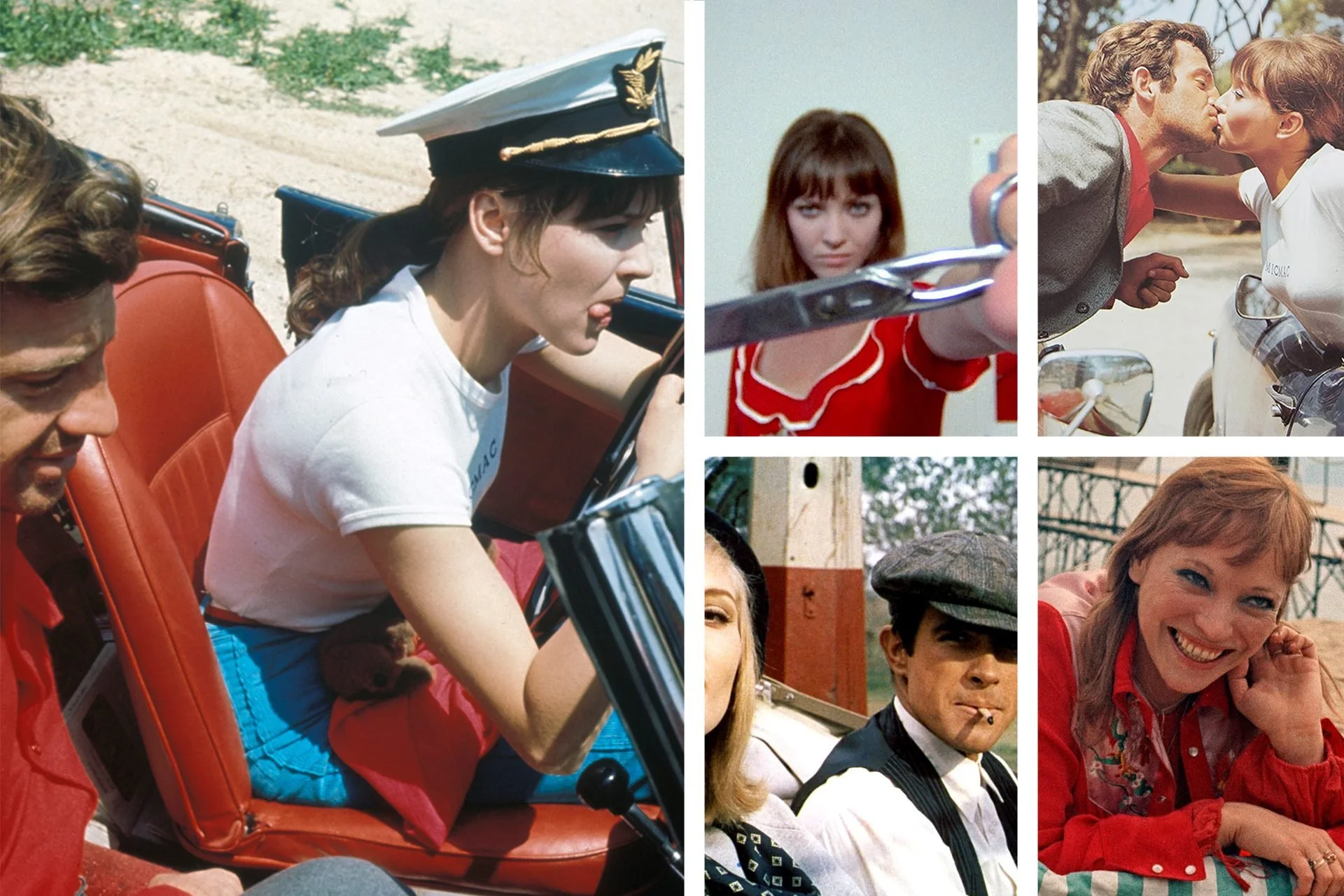
If you want to understand how auteurship and experimentation became a revolutionary part of cinema history, look no further. Let’s talk about French New Wave.
There is something so alluring about filmmakers who refuse to play by the rules. This is part of what draws me to the French New Wave, a movement that challenged the conventions of French cinema in the late 1950s and 1960s, encouraging filmmakers to experiment with editing, narrative, and the relationship between cinema and real life.
The French New Wave, or La Nouvelle Vague, was a film movement that emerged in France during the late 1950s and 1960s, challenging the conventions of traditional filmmaking. A lot of these directors started as film critics, particularly writing for ‘Cahiers du Cinéma’, where they questioned why cinema had to follow the same storytelling rules, rely on expensive studio productions, or prioritize polished screenplays over a director’s personal vision. They wanted filmmaking to feel more personal, experimental, and reflective of the world around them. This meant shooting on location, using handheld cameras, experimenting with jump cuts, and telling stories that didn’t always follow a straightforward narrative.
What separates the French New Wave from other film movements is that its experimentation wasn’t solely about representing reality or entertaining an audience. It was also about rethinking cinema as an art form, one where the director’s perspective could be just as important as the story itself. Italian Neorealism, for example, used location shooting and everyday people to explore the social realities of postwar Italy, while Classical Hollywood cinema generally prioritized continuity, clear storytelling, and polished production. The French New Wave took a different approach, embracing ambiguity, unconventional editing, and characters who felt unpredictable and complicated. These filmmakers weren’t necessarily trying to make films that everyone would understand or love. They were interested in pushing the medium forward, and their influence can still be seen in how filmmakers experiment with form, narrative, and visual storytelling today.
What I love about this movement is that there isn’t one particular way to define it. Some filmmakers were interested in the intimacy of everyday life, others explored memory and time, and some were determined to dismantle the rules of filmmaking altogether. Their films could be romantic, political, philosophical, absurd, or all of the above. And while the movement is often associated with a handful of male directors, women like Agnès Varda were instrumental in expanding what this new kind of cinema could look like. Now, I could easily give you a list of twenty directors to study, but I want to focus on five of my personal favorites. Whether you’re a film student, an aspiring filmmaker, or someone who wants to get a little more adventurous with their watchlist, consider this your introduction to five directors who remind us that cinema doesn’t have to follow a formula to be extraordinary.
1. Jean-Luc Godard
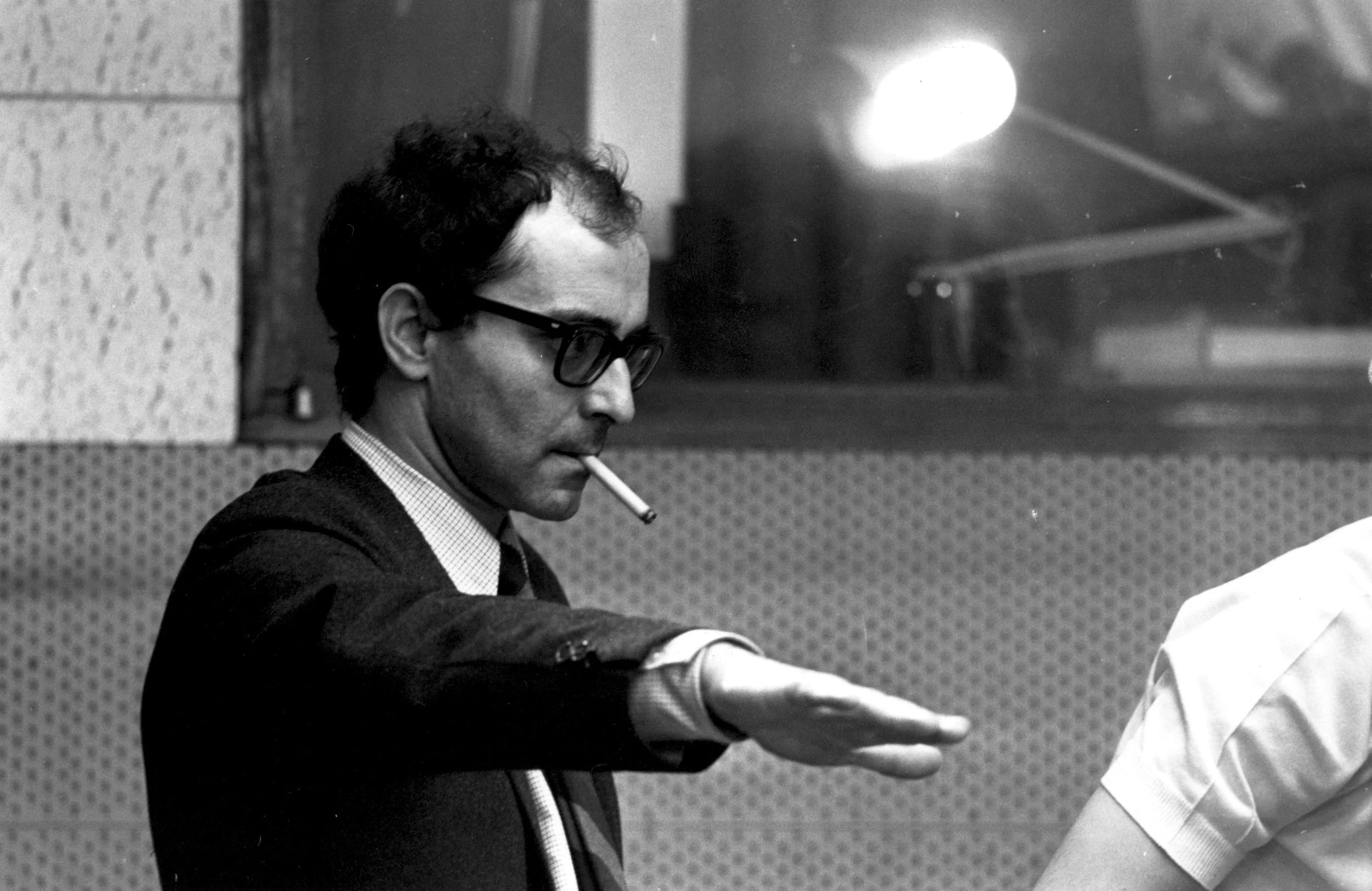
Start with: Breathless (1960), Vivre sa vie (1962), and Pierrot le Fou (1965).
If there is one director who embodies the rebellious spirit of the French New Wave, it’s Jean-Luc Godard. A former film critic for Cahiers du Cinéma, Godard approached filmmaking with a willingness to challenge the conventions that audiences had grown accustomed to. His films questioned everything from traditional storytelling to the way a camera should move, how a scene should be edited, and whether a filmmaker even needed to follow the rules of continuity.
His debut feature, Breathless (1960), follows Michel, a small-time criminal on the run, and Patricia, an American student who becomes entangled in his life. On paper, it sounds like a relatively straightforward crime film. In Godard’s hands, however, it becomes something much more playful, poetic and unconventional. Jump cuts disrupt the flow of time, conversations wander, and characters sometimes seem more interested in performing their identities than understanding themselves.
What I find so fascinating about Godard is his willingness to let a film be intellectually curious without making it entirely dependent on a conventional plot. His characters talk about philosophy, politics, art, and love, sometimes in ways that feel spontaneous and other times in ways that remind you that you’re watching a constructed piece of cinema. If you’re interested particularly in directing, pay attention to his editing style as Godard demonstrates how cutting between images can create meaning beyond what the actors are saying. A scene doesn’t need to unfold smoothly to communicate an idea, and a film doesn’t have to hide the fact that it is a film.
Put Me On: Watch Breathless first, then move on to Vivre sa vie (1962) if you want something more introspective. If you’re in the mood for vibrant colors, romance, and a little existentialism, Pierrot le Fou (1965) is calling your name.
2. Agnès Varda
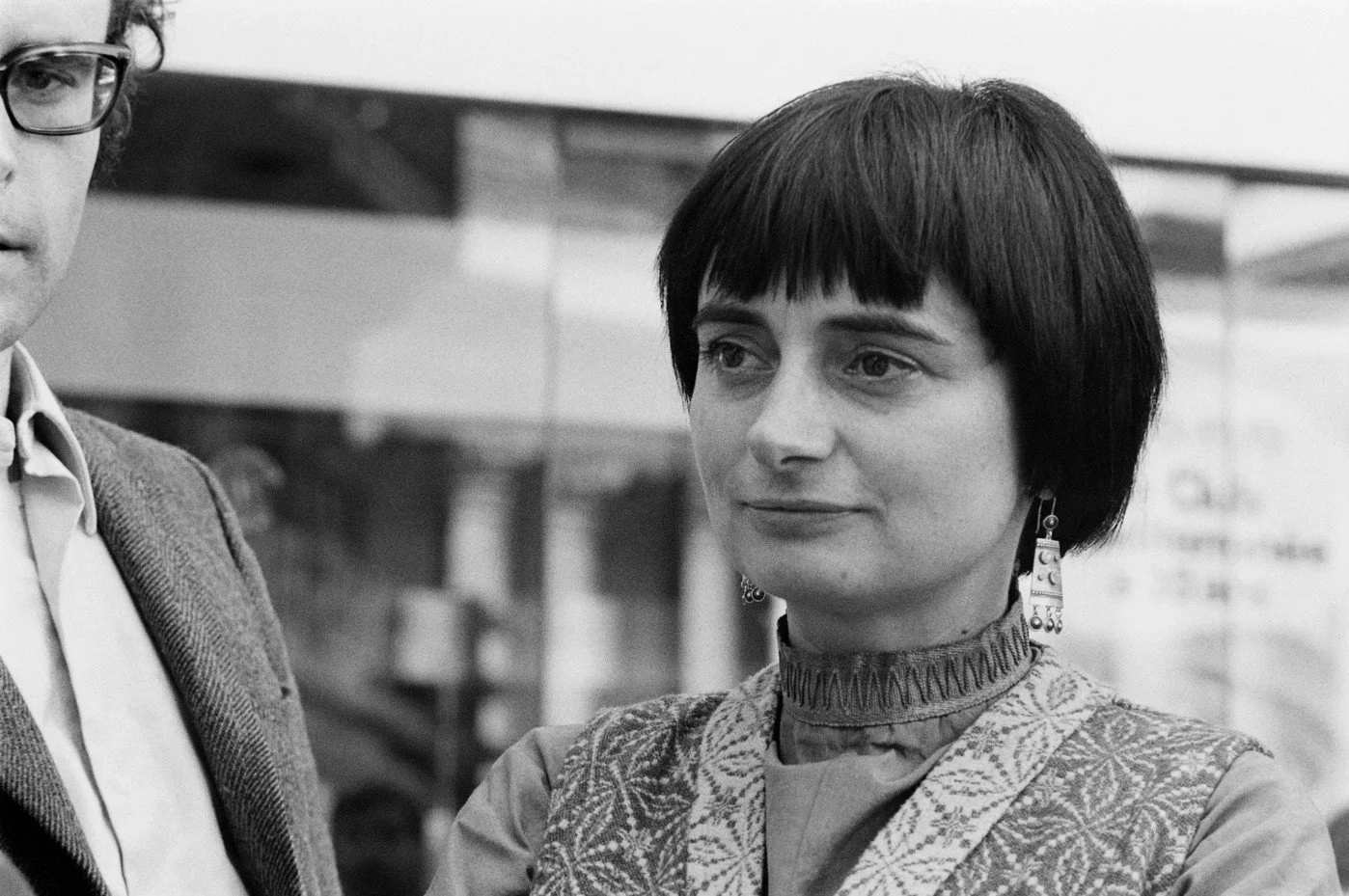
Start with: Cléo from 5 to 7 (1962), La Pointe Courte (1955), and Vagabond (1985).
Agnès Varda is one of the most important filmmakers to know if you want to understand the French New Wave, particularly its relationship with documentary filmmaking, photography, feminism, and everyday life. Although she is often associated with the ‘Left Bank Group’ rather than the ‘Cahiers du Cinéma’ critics, her work shares the movement’s interest in experimentation and personal expression.
Varda’s feature debut, La Pointe Courte (1955), arrived before the French New Wave became widely recognized as a movement (y’all know women are the pioneers for movements). It alternates between the relationship struggles of a couple and the everyday lives of a fishing community in southern France. Even at this early stage, Varda was interested in combining intimate personal drama with a broader portrait of the world surrounding her characters. Then there’s Cléo from 5 to 7 (1962), one of my favorite starting points for understanding her approach to cinema. The film follows Cléo, a singer waiting for the results of a medical test that may confirm she has cancer. Told largely in real time, it follows her through the streets of Paris as she confronts her own mortality, her appearance, and the possibility that the world might see her differently than she sees herself.
What makes the film so compelling is the way Varda uses time and perspective to explore the difference between being looked at and truly being seen. Cléo begins the film deeply conscious of her appearance and how others perceive her. As the story progresses, her attention gradually shifts toward the people and experiences around her.
Varda’s films are especially worth studying if you’re interested in the female gaze, not simply as a reversal of the male gaze, but as a way of reconsidering a director’s perspective that’s outside of men and how those experiences are represented and deserve equal attention.
Put Me On: Start with Cléo from 5 to 7. If you want to see Varda explore the darker side of freedom and social alienation, watch Vagabond (1985), a film about a young woman whose wandering life is pieced together through the accounts of people who encountered her.
3. Alain Resnais
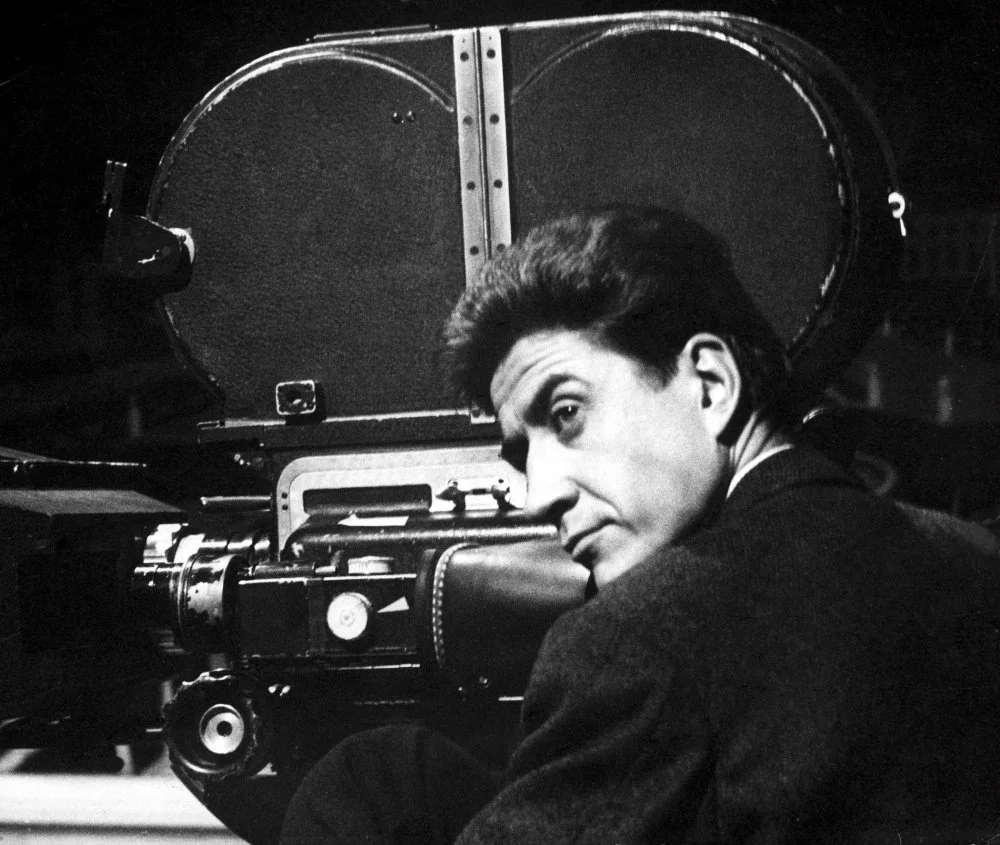
Start with: Hiroshima mon amour (1959), Last Year at Marienbad (1961), and Muriel (1963).
Resnais is often associated with the Left Bank group, alongside Varda and Chris Marker. His work is particularly concerned with memory, trauma, history, and the ways people attempt to make sense of experiences that cannot be neatly contained in the past.
His feature film Hiroshima mon amour (1959), written by Marguerite Duras, follows a French actress and a Japanese architect who begin an affair in Hiroshima. Their brief relationship becomes a space through which the film explores personal memory alongside the collective trauma of war. As the characters grow closer, the woman’s memories of a forbidden wartime romance in France begin to surface.
What makes the film so powerful is that it refuses to treat memory as a clean sequence of events. The past interrupts the present, images overlap, and personal recollections become entangled with historical catastrophe. The film asks what it means to remember something, what it means to forget, and whether another person can ever fully understand the experiences that shape us.
Resnais pushes these ideas even further in Last Year at Marienbad (1961). The film follows a man who claims to have met a woman the previous year and attempts to convince her that they share a history together. But the film gives us no stable ground on which to establish what actually happened. Memory, fantasy, and reality seem to fold into one another..
Put Me On: Watch Hiroshima mon amour when you’re ready for a film that is as much about the nature of memory as it is about romance. Save Last Year at Marienbad for when you’re in the mood to sit with ambiguity and come away with more questions than answers.
4. Jacques Demy
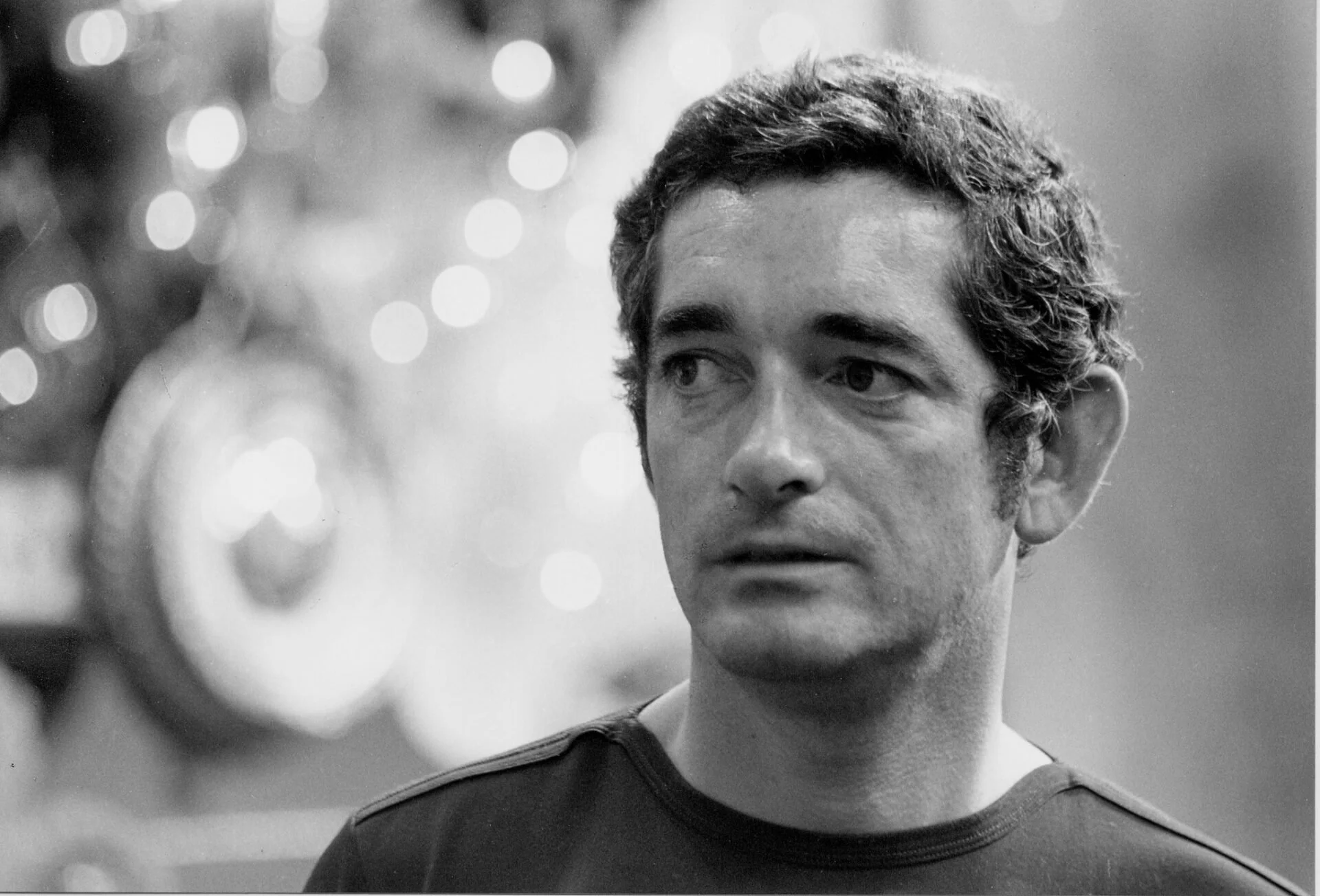
Start with: The Umbrellas of Cherbourg (1964), Lola (1961), and The Young Girls of Rochefort (1967).
Jacques Demy brings a different kind of magic to the French New Wave. While some of his contemporaries were interested in stripping cinema down to its most immediate, spontaneous elements, Demy embraced color, music, romantic melodrama, and the heightened emotions of classic Hollywood musicals. His films often feel like fairy tales, but don’t let the beautiful colors fool you. Beneath the romance are stories about class, longing, missed opportunities, and the painful reality that love doesn’t always unfold the way we imagine it will.
The Umbrellas of Cherbourg (1964) is perhaps his most famous work. Starring Catherine Deneuve as Geneviève, the film tells the story of a young woman who falls in love with a mechanic named Guy. When Guy is sent away to serve in the Algerian War, the couple’s future becomes uncertain. What makes the film distinctive is that every line of dialogue is sung, transforming ordinary conversations into a continuous musical score.
Rather than using songs to interrupt the narrative, Demy makes music the language through which his characters express themselves. The vibrant colors and elaborate compositions create a dreamy atmosphere, but the story itself is grounded in difficult choices and the compromises people make as they grow older.
I find that contrast especially interesting. The film looks like a romantic fantasy, yet it understands that life rarely gives us the ending we want. Its beauty doesn’t erase the sadness. In some ways, it makes the sadness hurt even more.
Demy’s work is also a reminder that experimentation doesn’t have to mean abandoning pleasure. Cinema can be visually extravagant, emotionally sincere, and formally inventive all at once.
Put Me On: Start with The Umbrellas of Cherbourg if you love romance, beautiful production design, and music that makes you feel something. If you’re looking for a brighter, more playful experience, The Young Girls of Rochefort (1967) is a colorful musical about love, chance encounters, and the possibility of finding someone who changes your life.
5. Chris Marker
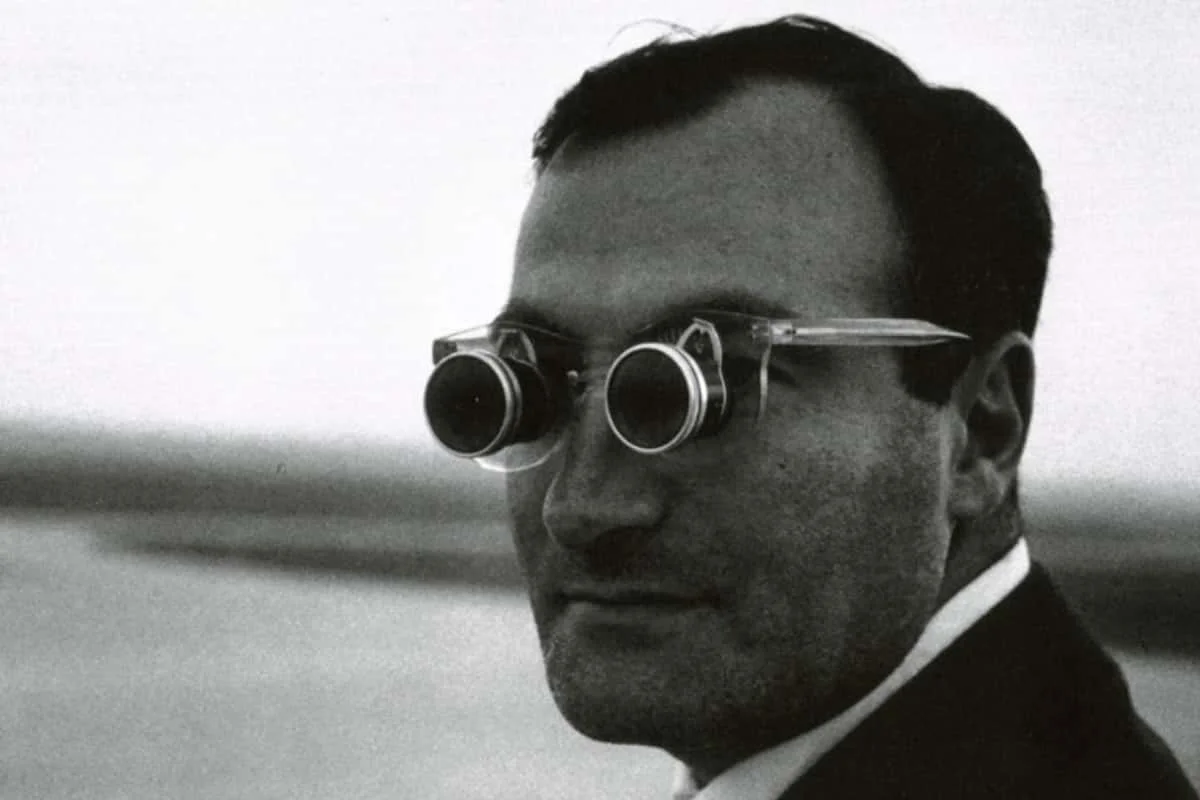
Start with: La Jetée (1962) and Sans Soleil (1983).
Chris Marker is the director to explore when you want cinema to feel like a conversation between images, history, memory, and the person watching them.
Like Varda and Resnais, Marker is associated with the Left Bank group. His work often sits somewhere between documentary, essay film, and experimental cinema, making him one of the most distinctive filmmakers to emerge from the broader French New Wave era.
His short film La Jetée (1962) is one of the most fascinating examples of what cinema can do with very little. Set after a devastating war, it follows a prisoner subjected to experiments involving time travel. The story centers on a man haunted by an image from his childhood, which becomes the key to his journey through time.
What makes La Jetée remarkable is its use of still photographs for almost the entire film. Instead of relying on conventional moving images, Marker constructs a cinematic experience through photographs, narration, sound, and editing. The result is haunting, intimate, and strangely immersive. The images seem frozen, yet the story is deeply concerned with movement, time, and the impossibility of escaping the past.
The film also inspired Terry Gilliam’s 12 Monkeys (1995), demonstrating how a formally unconventional work can influence the shape of science fiction decades later.
Marker’s Sans Soleil (1983) takes a different approach, weaving together travel footage, reflections, and philosophical observations about memory, politics, and the images we use to understand the world. Rather than presenting a traditional documentary argument, it invites viewers to make connections between seemingly unrelated moments and places.
For aspiring filmmakers, Marker is a reminder that the camera doesn’t have to capture reality in a straightforward way. Images can be questioned, rearranged, revisited, and transformed into arguments of their own.
Put Me On: Watch La Jetée first. It’s short, visually unconventional, and proof that you don’t need a conventional feature-length narrative to create something that stays with you. When you’re ready for a more meditative experience, move on to Sans Soleil.
So, Where Do You Start?
These five directors demonstrate just how many different directions the French New Wave and its surrounding cinematic culture could take. Godard breaks the rules, Varda observes the world with curiosity, Resnais explores the instability of memory, Demy makes heartbreak beautiful, and Marker turns images into philosophical questions. They don’t all belong to the exact same branch of the movement, and they certainly don’t share one unified approach to filmmaking. That’s part of what makes exploring their work so rewarding. The French New Wave wasn’t simply a particular aesthetic. It was a challenge to the idea that cinema had to be made a certain way.
If you’re a filmmaker, pay attention to how these directors use editing, color, sound, performance, and narrative structure to communicate their ideas. If you’re simply a film lover, let yourself enjoy the experience without feeling like you need to understand every artistic decision immediately.You don’t have to love every film, and you definitely don’t have to pretend you understood everything the first time around. Sometimes the best thing a movie can do is leave you curious enough to watch another one.
