Growing up isn’t always the coming-of-age montage we make it out to be. Sometimes it’s awkward, uncomfortable, rebellious, and a little self-destructive. It’s wanting to belong while desperately trying to be different, making decisions you don’t fully understand, and figuring out who you are while the world keeps telling you who you should be.
Youth on Edge is a collection of films that explore the messier side of growing up, from teenage alienation and youthful rebellion to the uncomfortable realities of finding your place in the world. These aren’t necessarily stories about having everything figured out. They’re about the growing pains, the questionable decisions, and the moments that make you look back at your younger self and think, what the hell was I doing? Whether you’re still navigating those years or looking back on them, these films remind us that growing up has never been as simple as we pretend it is.
The Breakfast Club (1985) dir. John Hughes
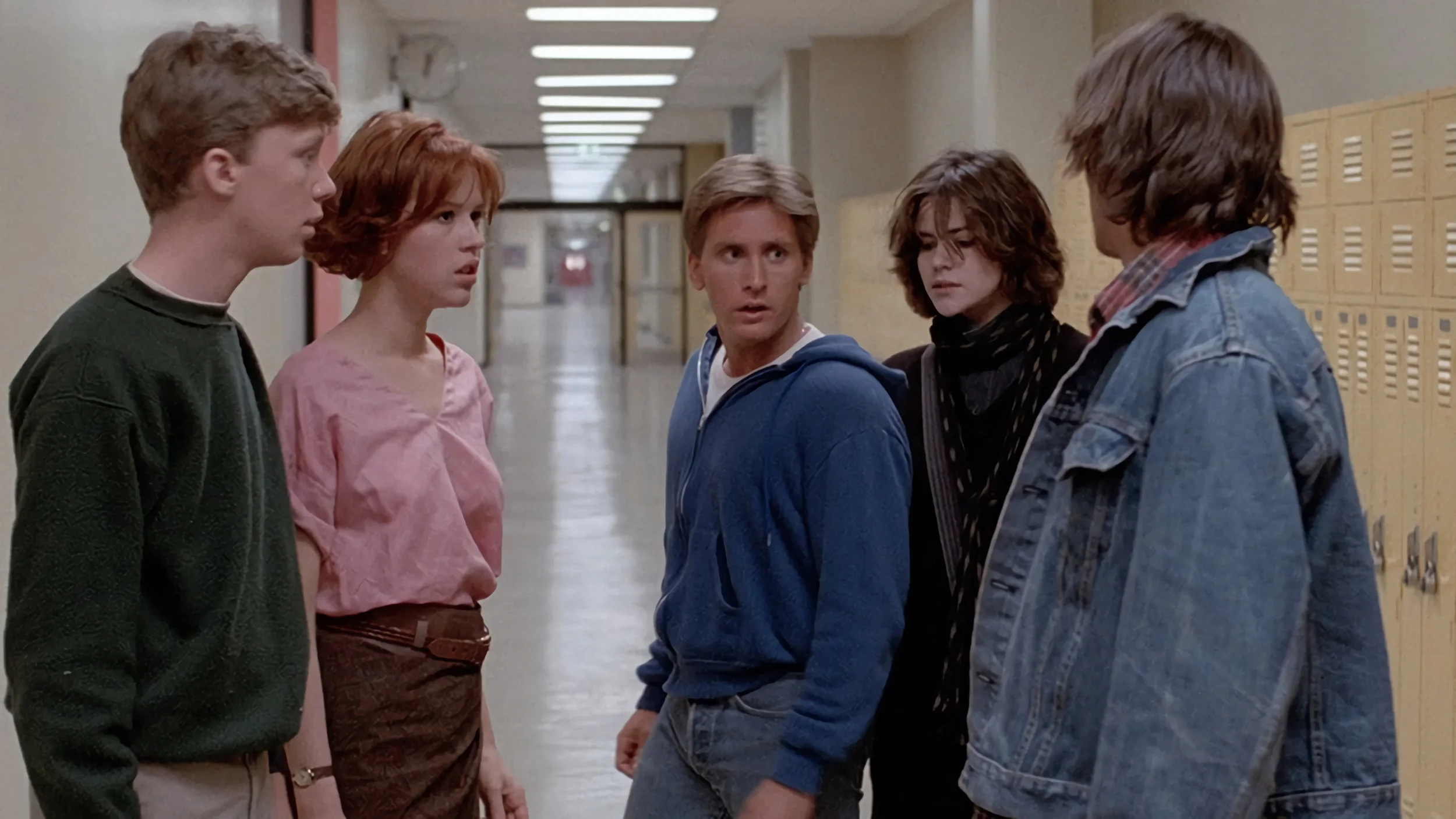
The Breakfast Club is probably the most recognizable film on this list, but its influence on the teenage rebellion film is impossible to ignore. Five students from completely different social worlds are forced to spend a Saturday in detention together, initially defined by the stereotypes attached to them: the athlete, the princess, the criminal, the brain, and the basket case.
The film’s rebellion isn’t necessarily about breaking laws or destroying institutions. It’s about refusing to remain the person everyone else has decided you are. Each teenager is carrying a different form of pressure: academic expectations, parental neglect, social status, masculinity, popularity, and the fear of becoming a disappointment.
The school itself becomes a miniature authoritarian society. Adults establish the rules, assign the punishments, and categorize the students, while the students are expected to accept those categories as permanent truths about themselves. But once the five begin talking honestly, they realize how much they have in common.
That’s what makes The Breakfast Club so important to the “youth on edge” idea. Adolescence is a period where identity feels both incredibly personal and completely controlled by other people. You’re trying to figure out who you are while teachers, parents, friends, and classmates are constantly telling you who you’re supposed to be.
Mysterious Skin (2004) dir. Gregg Araki
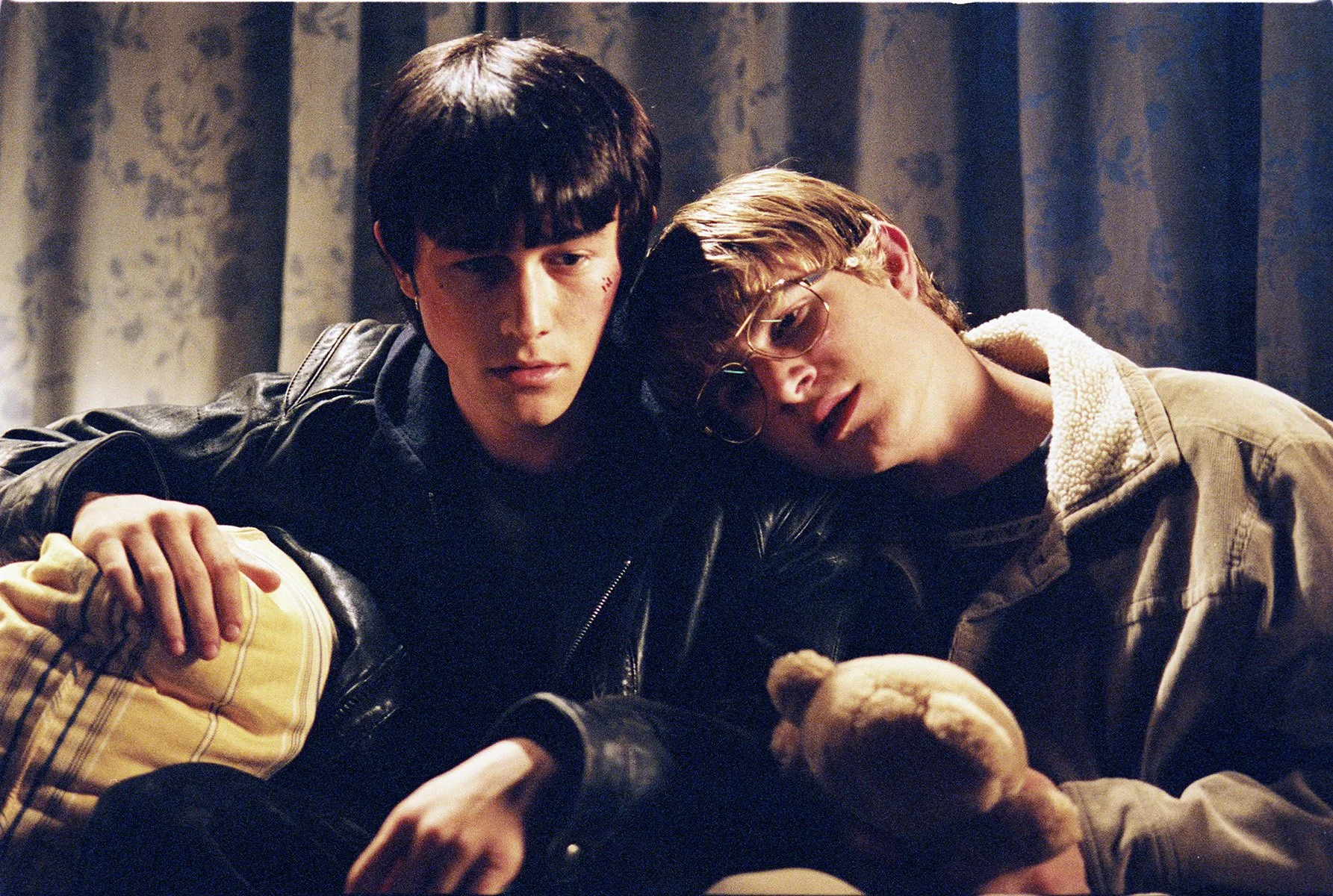
Mysterious Skin is one of those films that completely changes depending on when you see it. Based on Scott Heim’s 1995 novel, Gregg Araki’s film follows two boys, Brian and Neil, who are connected by a traumatic childhood experience neither of them fully understands or processes in the same way. One grows up convinced he was abducted by aliens; the other turns toward sex, detachment, and adult spaces far too early. Their lives eventually intersect again, forcing them to confront the memories they’ve spent years trying to understand.
What makes Mysterious Skin so devastating is its refusal to turn trauma into a simple narrative of victim and recovery. Araki is interested in what happens when children don’t have the language to understand what was done to them. Brian transforms his memories into science fiction because the truth is incomprehensible to him, while Neil constructs an identity around sexuality and emotional detachment. Their different responses demonstrate how survival doesn’t always look healthy, heroic, or even recognizable as survival.
Araki’s dreamlike, almost cosmic aesthetic makes the film feel like a coming-of-age story taking place somewhere between reality and memory. The bright colors, nighttime landscapes, UFO imagery, and detached performances create an eerie distance from the ugliness underneath. Mysterious Skin ultimately becomes a film about youth trying to construct an identity around wounds they don’t yet know how to name. It’s painful, strange, and deeply empathetic—a coming-of-age story where growing up means finally confronting what happened to you.
American Honey (2016) dir. Andrea Arnold
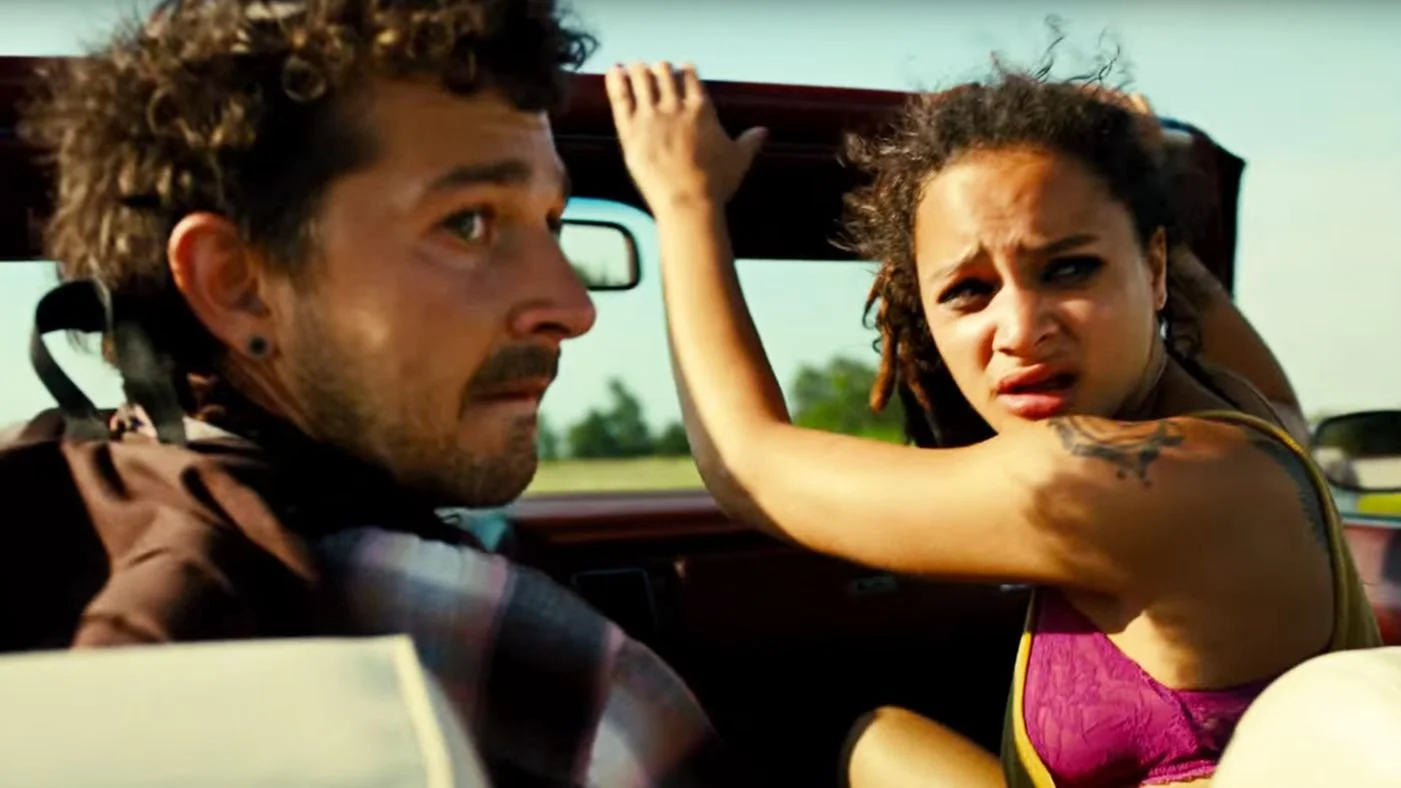
American Honey feels like a movie about what happens when young people are given freedom without being given much security. Andrea Arnold follows Star, a teenage girl who leaves her unstable home life behind after joining a traveling magazine-sales crew crossing the American Midwest. The group is composed almost entirely of young people hustling their way through a country that seems simultaneously enormous and completely inaccessible.
Arnold’s camera stays close to Star, often making the film feel spontaneous and almost documentary-like. Long stretches of driving, dancing, partying, smoking, and wandering become just as important as the plot. There is a sense that these characters aren’t particularly interested in building conventional adult lives yet. They’re simply trying to experience something before the world catches up with them.
That’s what makes American Honey such an interesting film about youth on edge. Rebellion isn’t necessarily a political act here—it can simply be the refusal to return to a life that feels predetermined. The highways, strip malls, motels, gas stations, and endless American landscape become a kind of modern frontier. Star isn’t just searching for money or romance. She’s searching for a version of herself that might actually belong somewhere.
The Florida Project (2017) dir. Sean Baker
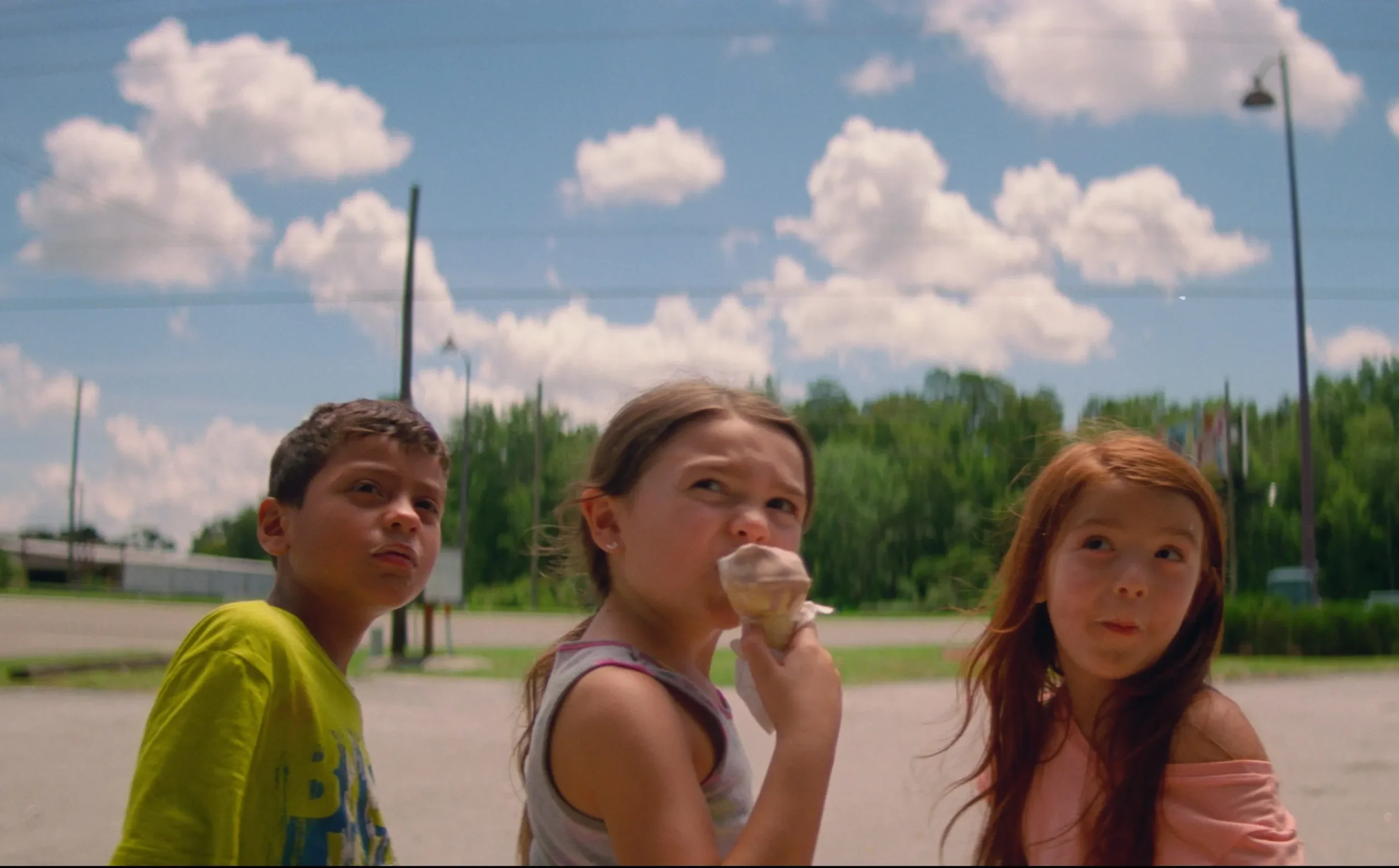
The Florida Project is one of the most deceptively heartbreaking films about childhood I’ve ever seen. Six-year-old Moonee lives with her young mother, Halley, in a budget motel outside Walt Disney World. While the adults struggle with poverty, housing insecurity, and survival, Moonee spends her days wandering around the motel with her friends, turning abandoned buildings, drainage fields, and parking lots into playgrounds.
The motel isn’t a home. Her mother isn’t simply rebellious or irresponsible; she’s desperately trying to survive. The adults are constantly one missed payment, one bad decision, or one confrontation away from losing everything. Baker allows Moonee’s imagination to coexist with that reality rather than forcing childhood innocence to disappear once poverty enters the frame.
Moonee’s rebellion is therefore almost accidental. She trespasses, steals, destroys things, wanders away, and gets into trouble because childhood itself is an act of exploration. But beneath her freedom is the terrifying reality that there isn’t much protecting her.
The film becomes a heartbreaking meditation on how children inherit circumstances they never chose. The Florida Project isn’t interested in romanticizing poverty, but it also refuses to strip poor children of their joy. Survival can look like laughter, friendship, imagination, and making a playground out of whatever the world leaves behind.
Bottoms (2023) dir. Emma Seligman
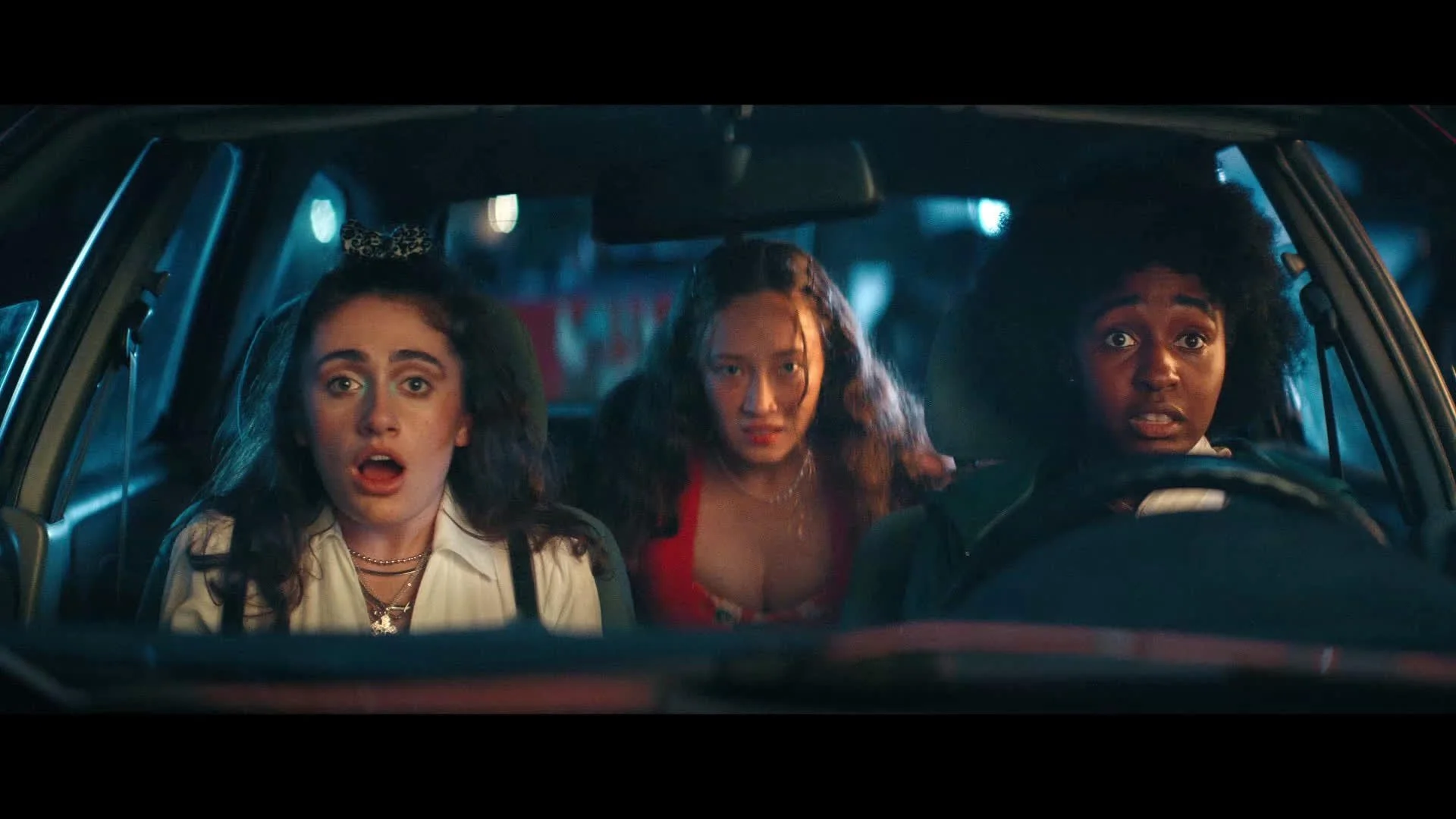
Bottoms takes practically every convention of the high-school rebellion movie and turns it into complete fucking chaos. PJ and Josie are two unpopular queer girls who start a fake self-defense club as an excuse to get closer to the cheerleaders they have crushes on. What begins as a ridiculous scheme eventually becomes a genuine community, even as their motivations remain selfish, messy, and extremely teenage. What makes Bottoms work within this group is its understanding that teenage rebellion can be both liberating and completely stupid.
PJ and Josie aren’t idealized rebels. Their rebellion isn’t some noble fight against the establishment; they’re teenagers trying to climb a social hierarchy that constantly makes them feel insignificant. And that’s precisely why the movie’s exaggerated violence is so funny. Seligman transforms high school into a literal battlefield where popularity functions like political power. Cheerleaders become untouchable celebrities, football players become an occupying army, and the self-defense club becomes a miniature revolutionary movement.
Underneath all the absurdity, however, is something much more sincere: the desire to belong. It’s vulgar, ridiculous, queer, violent, and incredibly sincere underneath the chaos. And that makes it a surprisingly perfect ending for a list about youth on edge.
